Urinary Incontinence
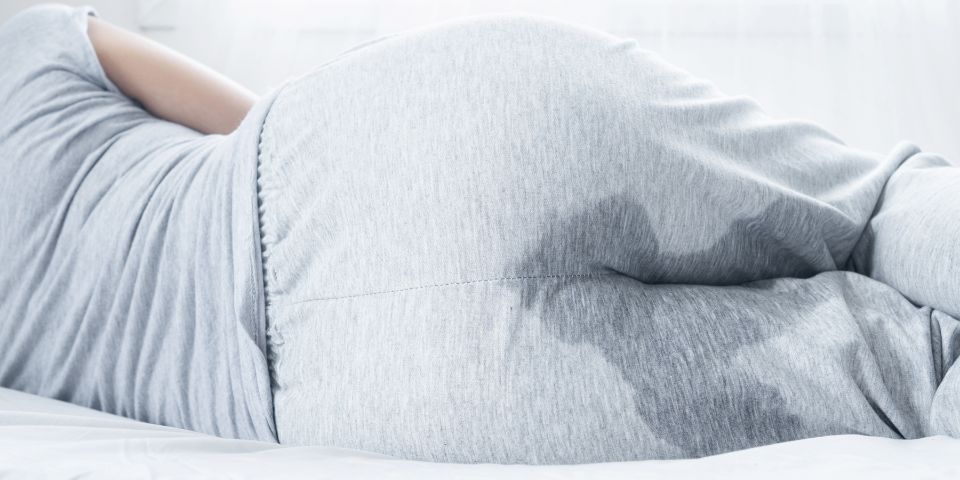
Definition: unintentional passing of urine often with no control.
Over 14 million UK adults suffer with urinary incontinence. That’s 1 in 5 people!
There are 5 main types of urinary incontinence:
- Stress incontinence – caused by coughing/ laughing/ sneezing/ exercise/ lifting heavy weights etc
- Urge incontinence/ Overactive bladder – urine leaks as you feel a sudden intense urge to pee. Can also pee at orgasm.
- Overflow incontinence/ Chronic urinary retention – you are unable to fully empty your bladder, hence frequent leaks.
- Total incontinence – when your bladder can’t store any urine at all, so you constantly pass urine and have frequent leaks.
- Lower urinary tract symptoms (LUTS) – quite common as we age. Problems with storing urine, urgent or frequent need to pass urine or feeling like you need to go again straight after you’ve just been, slow stream of urine, straining to pass urine or stopping/starting as you pass urine, passing a few drops of urine when you think you are finished
*You can suffer with type 1 and 2 at the same time*
What causes urinary incontinence?
Stress incontinence causes: pregnancy and vaginal birth, dry thin fragile urethra at menopause, pelvic floor weakness due to childbirth or lower oestrogen levels at menopause, physical damage during hysterectomy, prostate gland removal, Parkinsons, MS, Ehlers-Danlos connective tissue disorder
Urge incontinence causes: too much alcohol/caffeine, not drinking enough fluid as this means concentrated urine which irritates the bladder walls, constipation causing pressure on the bladder, UTIs (urinary tract infections/cystitis)
Overflow incontinence causes: enlarged prostate gland, bladder stones, constipation, nerve damage due to bowel surgery or spinal cord injury.
Total incontinence causes: born with this issue, spinal cord injury (nerve signal disrupted), bladder fistula (small tunnel-like hole can form between bladder and vagina).
Drugs that can cause incontinence: ACE inhibitors e.g. ramipril, diuretics eg Bendroflumethiazide/furosemide, antidepressants, HRT, sedatives.
Conventional medicine treatments include: pelvic floor exercises, bladder training, electrical stimulation of the nerve, vaginal weighted cones, tampons, sensors in the vagina (or anus for males), botox, Solifican, Oxybutynin (drug to dry up urine but also causes dry mouth, eyes, constipation, blurred vision etc), duloxetine, desmopressin for nocturnal incontinence, incontinence pads, catheter either intermittent or indwelling but both of these carry a high risk of UTIs, and surgery.
My top 3 Homeopathic remedies here are: Nat mur, Pulsatilla, and Phosphorus
Charity: bladder and bowel UK
My top 10 tips to help stop leaks:
- Pelvic floor exercises to strengthen control of your bladder sphincter
- Stop smoking or vaping as nicotine overstimulates the bladder, whilst the chemicals in tobacco irritate the bladder lining. Chronic coughing due to smoking also can set off stress incontinence as stated above
- Avoid HIIT exercises – opt for pilates to strengthen core or Hypopressives
- Avoid lifting heavy items as this can put pressure on the bladder sphincter
- Lose excess weight as this can put physical pressure on the bladder
- Take steps to make sure you are not constipated as this puts physical pressure on your bladder. Aim for 1 poo a day at least
- Decrease or cut out your caffeine consumption. Remember decaffeinated tea/coffee can be up to 10% caffeine! Caffeine is a diuretic and can irritate the bladder.
- Decrease or cut out alcohol consumption. Alcohol is a diuretic so can also irritate the bladder.
- Increase your fluid intake to make sure your urine is not concentrated, as this can also irritate the bladder.
- Avoid spicy/acidic foods as these can also irritate the bladder.
If you are struggling with chronic incontinence, my 121 work can be extremely helpful here as this case study shows. Please do book in a discovery call to see how I can help you.